
The Hydraulic Cylinder: Frequently Asked Questions

Hydraulic Cylinders: Frequently Asked Questions

The hydraulic cylinder is an essential component of hydraulic systems and is commonly used in construction, manufacturing, and transportation industries. Understanding the mechanics, materials, and maintenance of cylinders is crucial for ensuring optimal performance and longevity. In this blog post, we will answer some of the most common questions asked about hydraulic cylinders, including who invented them, how they work, how to maintain them, and much more.
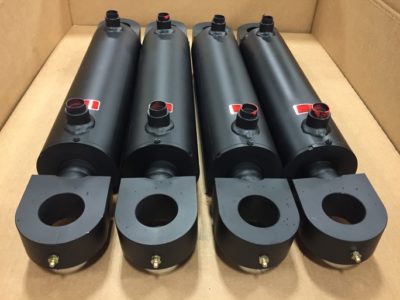
custom hydraulic cylinder

Custom Hydraulic Cylinder Manufacturing near Grand Rapids, Michigan

Selecting the right hydraulic cylinder involves a thoughtful process to ensure it meets your specific needs. First and foremost, consider the load requirements. You’ll want to determine the maximum force the cylinder will need to exert, factoring in any potential variations or unexpected spikes. Next, assess the operating environment. Take note of factors like temperature, humidity, and potential exposure to corrosive substances, as these can impact the material and coating choices for the cylinder. Additionally, consider the stroke length, which is the distance the cylinder can extend and retract; it should comfortably accommodate the range of motion required for your application. Think about the mounting options available and how they align with your equipment. Finally, consult the manufacturer’s specifications and recommendations to ensure compatibility with your system and to guarantee a reliable and efficient performance.

The hydraulic cylinder was patented by Joseph Bramah in 1795 in England. Bramah was an English inventor and locksmith who used Blaise Pascals theory to create the hydraulic press. Pascal discovered in 1648 that applying pressure on a confined fluid exerted an equal force, and that pressure could be harnessed. Almost 100 years later Daniel Bernoulli used Pascals theory to pressurize water in pumps and mills. A few years after that it lead to Bramah’s invention which revolutionized the manufacturing industry and paved the way for modern hydraulic systems.

No, they cannot work with air. They are designed to work with hydraulic fluid, which is much denser than air and provides much more power. Air in the hydraulic system can cause a loss of pressure, which can lead to reduced performance or even system failure.

Yes, the size of a cylinder does matter. The size of the cylinder determines how much force it can generate and how much weight it can lift. Choosing the right size cylinder for your application is important for achieving optimal performance. Factors to consider when selecting a hydraulic cylinder include the application, operating conditions, and load capacity.

Yes, hydraulic cylinders can be repaired. Common repairs include replacing seals and repairing or replacing damaged parts. It is important to have your cylinders repaired by a qualified technician to ensure proper functioning. Regular maintenance can help prevent the need for major repairs and extend the life of your equipment.

Yes, hydraulic cylinders can become air locked. This can occur when air enters the system, preventing hydraulic fluid from flowing properly. Bleeding the system can help remove air and restore proper functioning. It is important to check the hydraulic system regularly for signs of airlock and address any issues promptly to prevent damage to the system.

Yes, your cylinders can be welded. However, it is important to use the proper welding techniques and materials to ensure the cylinder remains structurally sound. Welding should only be done by a qualified technician who has experience working with hydraulics.

Yes, you can bleed a hydraulic cylinder. Bleeding the system removes air and ensures proper functioning. The process involves opening the bleed valve to release any trapped air. It is important to follow the manufacturer’s instructions and use the correct tools when bleeding a hydraulic cylinder.

Yes, they can be cushioned. A hydraulic cushion is a feature in some hydraulic cylinders that helps to reduce the impact and shock caused by the cylinder’s motion. As the name states, It’s basically like a cushion for the cylinder, absorbing the energy created by the moving piston and slowing down its motion before it reaches the end of its stroke.

Hydraulic cushions are often used in applications where a heavy load is being lifted or moved, as they can help protect the load and the hydraulic system from damage. By providing a more controlled and gradual stop to the cylinder’s motion, hydraulic cushions can help to increase the safety and efficiency of hydraulic systems.

Various fluids can be used for hydraulic cylinders, including mineral-based oil, synthetic oil, and water-based fluids. The choice of fluid depends on the specific application and operating conditions. Factors to consider when selecting a hydraulic fluid include viscosity, temperature range, oxidation stability, and compatibility with seals and other system components. It is important to use a high-quality fluid that meets the manufacturer’s specifications and to perform regular fluid analysis and replacement to ensure optimal system performance and longevity.

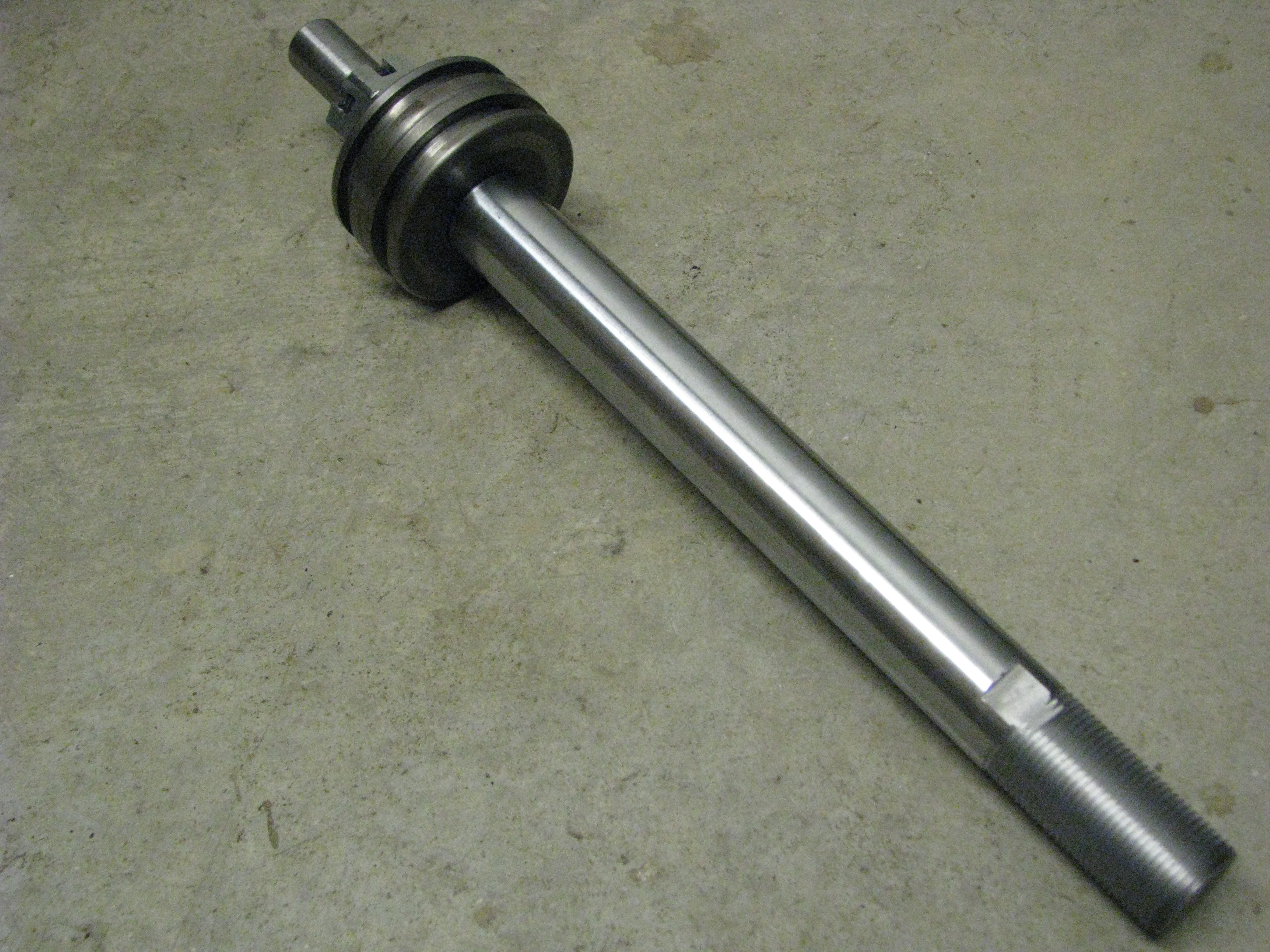
Hydraulic cylinders are typically made of high-strength steel, although other materials such as aluminum and titanium may also be used. The cylinder barrel is usually made of seamless steel tubing, while the piston rod is made of high-strength steel and is often chrome plated for improved wear resistance. The end caps and other components may be made of steel or other materials depending on the specific application.

Drift is a common issue that occurs when the cylinder slowly moves or creeps even when the control valve is in the neutral position. This can be caused by a variety of factors, including worn seals, contamination, or improper adjustment of the control valve. Cylinder drift can be prevented by performing regular maintenance, such as replacing worn seals and cleaning the system, and by properly adjusting the control valve.

The bore is the inside diameter of the cylinder barrel, which houses the piston. The bore size determines the amount of force that the cylinder can generate and the size of the load it can lift. Bore sizes typically range from 1 inch to over 30 inches, with larger cylinders being used for heavy-duty applications.

No, cylinder caps are typically not reverse thread. Most hydraulic cylinder caps have a standard thread direction, and removing them is similar to removing any other threaded component. It is important to follow the manufacturer’s instructions and use the correct tools when removing and reinstalling caps.

To calculate the force generated by a hydraulic cylinder, you need to know the cylinder bore diameter, the operating pressure, and the piston rod diameter. The formula for calculating hydraulic cylinder force is:

Force (in pounds) = (Pressure (in psi) x Cylinder bore area (in square inches)) – (Pressure (in psi) x Piston rod area (in square inches))

By knowing the force generated by the hydraulic cylinder, you can select the appropriate size and capacity for your application.

Learn more about hydraulic power from the Encyclopedia Britannica.

Step 1: Gather Tools and Safety Gear Before you start, ensure you have the necessary tools and safety gear. You’ll likely need wrenches, a rubber mallet, safety glasses, and gloves.

Step 2: Depressurize the System Safety first! Release the hydraulic pressure by disconnecting any power sources and operating the cylinder to release any remaining pressure. This prevents unexpected movements during disassembly.

Step 3: Locate the Retaining Bolts Identify the bolts that hold the end cap in place. They’re typically positioned around the circumference of the end cap.

Step 4: Loosen the Bolts Using the appropriate wrench, carefully loosen the retaining bolts. Start by loosening them evenly to avoid putting stress on one side of the end cap.

Step 5: Tap the End Cap Gently tap the end cap with a rubber mallet. This helps break any seal that might have formed due to pressure and fluid.

Step 6: Remove the Bolts and End Cap Fully remove the retaining bolts and gently slide the end cap away from the cylinder body. Be prepared for a slight release of hydraulic fluid as you do this.

Step 7: Inspect and Clean With the end cap removed, inspect the interior for any signs of damage or wear. Clean the sealing surfaces and ensure no debris could affect reassembly.

Step 8: Replace or Maintain Depending on the reason for removal, this is the time to either replace a damaged part or perform any necessary maintenance.

Step 9: Reassembly When you’re ready to put everything back together, reverse the steps. Carefully position the end cap back onto the cylinder body, making sure the seal is properly aligned. Reattach and tighten the retaining bolts evenly.

Step 10: Test and Check for Leaks After reassembly, re-pressurize the system and test the cylinder’s operation. Keep an eye out for any hydraulic fluid leaks around the end cap area.

Remember, safety is paramount. If you’re unsure at any point or encounter difficulties, it’s always a good idea to consult a professional or refer to the manufacturer’s guidelines. With patience and attention to detail, you can successfully remove a hydraulic cylinder end cap and carry out necessary repairs or maintenance.

Wrap Up

In conclusion, hydraulic cylinders are an essential component of hydraulic systems, and understanding their mechanics, materials, and maintenance is crucial for ensuring optimal performance and longevity. By addressing common issues such as drift, airlock, and proper sizing, you can prevent damage to the system and extend the life of your cylinders. Remember to always follow the manufacturer’s instructions and seek the assistance of a qualified technician for repairs and maintenance. With proper care and maintenance, hydraulic cylinders can provide reliable performance and power for years to come.
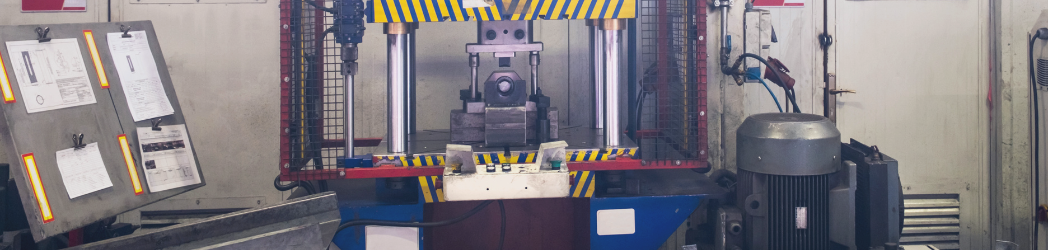
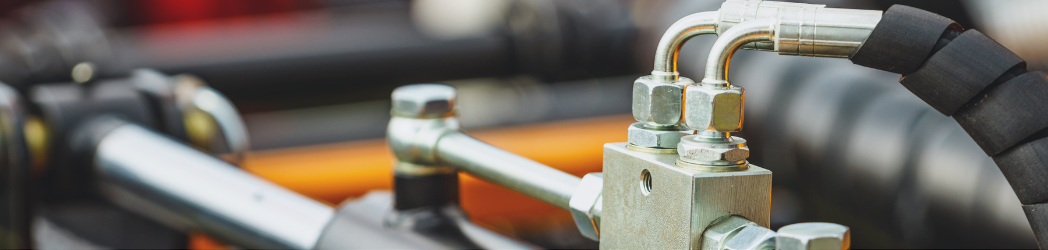
How Does a Hydraulic Press Work and What Makes Them So Powerful?

The Power of the Hydraulic Press

You may have seen popular videos where hydraulic presses easily crush diamonds and other formidable objects!

Have you ever wondered how a hydraulic press works? Or what makes hydraulic presses so powerful? This blog will look at hydraulic presses and cover the basics of how they work and what they are used for.

Looking for Hydraulic Cylinder Parts near Grand Rapids, Michigan?

All Phase Hydraulics can help with that!

What is a Hydraulic Press?

The word Hydraulic is used to describe the science of using pressurized fluid as a source of mechanical force or control.

A hydraulic press is a mechanical device that is used to crush, flatten, and compress materials for various applications.

The hydraulic press is comprised of two connected cylinders. Each cylinder contains hydraulic fluid. The larger cylinder is commonly referred to as the ram. The smaller cylinder is referred to as the plunger.

Hydraulic presses come in different sizes and types, depending on the application. Some are used to press sheet metal or mold plastics, while others are used to manufacture car body parts or medical devices. Regardless of their application, hydraulic presses have a few common components, including a hydraulic pump, a control valve, and a cylinder.

How Does a Hydraulic Press Work?

A hydraulic press generates and transfers force by utilizing hydraulic fluid. The fluid most commonly used for hydraulics is oil due to its strong pressure resistance. The oil is confined within a closed system of pipelines and cylinders, and a pump is utilized to pressurize the fluid.

When the pump is activated, the hydraulic fluid is forced into the smaller piston, generating pressure. This pressure is then transferred to the larger piston through the pipe or cylinder. The larger piston is typically attached to a press or mold, which applies force to the material being worked on.

Hydraulic presses can generate massive amounts of force, making them ideal for a variety of industrial applications. The force generated is determined by the size of the pistons and the pressure of the hydraulic fluid. The pressure in a hydraulic system is typically measured in pounds per square inch (PSI). Hydraulic presses can generate pressures that range from several hundred PSI to thousands of PSI, depending on the specific application.

This video does a great job visually depicting a basic hydraulic system using syringes to operate a robotic arm!

Common applications

Metalworking: They are used to press sheet metal into different shapes and forms. They can also be used to bend, punch, and shear metal.

Plastics and Composites: They are used to mold plastics and composites into different shapes and forms. They are used to make anything from car parts to kitchen appliances.

Manufacturing: Hydraulic Presses are used to manufacture a wide range of products, from car body parts to medical devices. They can be used to form, shape, and join different materials.

Construction: They are used in construction to form concrete into different shapes and sizes. They can also be used to compress soil or rock.

Automotive: Hydraulic presses are used in the automotive industry to manufacture car parts. They can be used to press and join different materials together.

How Does A Hydraulic Press Work? : Conclusion

In conclusion, hydraulic presses are powerful machines that are used for a wide range of applications. They work by using hydraulic fluid to generate and transfer force from a small piston to a larger one. They are able to generate massive levels of force, which makes them ideal for a variety of applications in industries such as metalworking, plastics and composites, manufacturing, construction, and automotive.

Hydraulic Seals and Fittings in the Grand Rapids Area!

All Phase Carries hydraulic replacement parts and does custom orders!

Hydraulic Cylinder Rebuild 101: Warning Signs and Symptoms

Hydraulic cylinder rebuild: An important process that is essential to keep up with so your equipment continues to function properly. It’s helpful to be aware of the signs and symptoms that could throw off your system. Hydraulic cylinders are an essential component of many industrial machines and equipment. They convert hydraulic pressure into mechanical force so machines can perform tasks like lifting and pressing with incredible power and force!

Over time, hydraulic cylinders can wear out, leading to reduced performance, leakage, and other issues. Knowing when to get a hydraulic cylinder rebuilt is crucial for maintaining the efficiency of your hydraulic equipment.

Looking for Hydraulic Cylinder Repairs in Grand Rapids Michigan?

Signs That You May Need a Hydraulic Cylinder Rebuild

Reduced Performance from Your Hydraulic Equipment

Reduced performance is one of the most obvious indicators that it’s time to get your hydraulic cylinder rebuilt. If your machinery is no longer operating to its full potential, your hydraulic cylinder may need some upkeep. A worn or damaged cylinder will struggle to produce the required force to operate the equipment efficiently, resulting in reduced performance.

Fluid Leakage

Leakage is another indicator that your hydraulic cylinder may need rebuilding. Hydraulic fluid is a necessity for hydraulics to function properly. Any leakage of hydraulic fluid is an immediate sign that something is wrong.

Damaged piston rods, worn-out seals, and other underlying problems might result in hydraulic leakage. It is important to get your cylinder inspected and possibly rebuilt if you see any hydraulic fluid escaping from it.

Excessive Noise

If you notice excessive noise or vibration in your equipment, it could be a sign that your hydraulic cylinder needs attention. Misaligned or damaged components can cause excessive noise and vibration, indicating that the cylinder needs to be rebuilt or repaired.

Corrosion or Damage

Although hydraulic cylinders are built to persist under strenuous conditions, over time, they may corrode or sustain damage. Corrosion or damage to the cylinder barrel, piston rod, or other components may result in reduced performance, leakage, or other problems. If you are visibly seeing indications of rust or damage, it is time to start considering a hydraulic cylinder rebuild to restore functionality.

Hydraulic Cylinder Rebuild

Frequent Maintenance and Repair Costs

If you find yourself frequently having your hydraulic cylinder repaired or replacing components, it may be time for a rebuild. Frequent repairs can be a sign that the cylinder is worn out or damaged and needs attention or a possible rebuild. Rebuilding may seem like a daunting task, but it could save you time and money in the long run.

Cylinder Repair in Grand Rapids, Michigan

Hydraulic cylinders are an essential component of many industrial machines and equipment. Symptoms like decreased performance, leakage, and excessive noise are all indicators that it may be time for a rebuild. By having your equipment inspected and diagnosed by a professional, you can establish optimal performance. All Phase Hydraulics specializes in hydraulic systems, and we are here to help you achieve a positive performance!

Should I Refinish the Chrome on my Equipment?

Benefits of a Chrome Refinishing Service for your Equipment

The re-chroming process involves using an electrical current to apply a thin layer of metallic chromium to a surface. When a proper coating thickness is applied to equipment like hydraulic cylinders, pistons, and other mechanical components, it delivers durable and dependable protection against excessive wear and corrosion buildup.

Ever wonder why steel and other materials are naturally strong and can withstand heavy-duty use, yet you still need to invest in chrome refinishing services? Well, by having the chrome plated on your equipment routinely refinished, you can have an extra layer for better wear and rust resistance for improved performance as well as the following re-chroming benefits:

  • Added flexibility to apply hard chrome on a range of different materials, including brass, copper, and stainless steel.
  • Ability to finish those irregular surfaces and shapes that are hard to reach inside holes, tight spaces, and bores.
  • Increasingly long-term protection capacity with a decreased risk of flaking or delamination during the coating’s lifespan.
  • Low-temperature application causes little damage or effects on the substrate metal surface.

How Often Should I Refinish the Chrome on my Equipment?

The longevity of chrome refinishing services on your equipment largely depends on the condition and environment in which you most frequently work. Most experts recommend re-chroming services every couple of decades in non-wear circumstances, even if you work in harsh conditions. Factors that will require hydraulic re-chroming services are commonly determined by:

  • The thickness of your current chrome plating layer
  • How often is regular equipment maintenance and proper routine care performed 
  • The quality of chrome plating materials

The chrome plating provides a clean and attractive finish intended to protect your equipment from wear, impact, and corrosion. If you notice early signs of damage or rust, you may need re-chroming services sooner rather than later.

When you invest in quality chroming services that prevent corrosion, improve wear resistance, and increases the material’s hardness- you can expect to minimize additional operating expenses and reduce work downtime.

Before Rechroming Service

Chrome refinishing before

After Rechroming Service

after chrome refinishing services

Why Choose All Phase Hydraulics for Your Hydraulic Rechroming Services?

All Phase Hydraulics is dedicated to helping you improve your business and continue your operations. We offer custom rechroming services for your cylinders to keep your productivity high and your repair costs low. Our premium, multi-step rechroming services will get your cylinders where they need to be in order to keep you working and your business in motion. It is important to get your cylinders rechromed before it becomes a problem.

Give Us a Call Today to Learn More about our Rechroming Services! 

Hydraulic Fluid 101: Everything You Need to Know When Choosing a Hydraulic Fluid for Your System

Hydraulic Fluid 101: Everything You Need to Know When Choosing a Fluid for Your System

Your pumps may become inefficient or even fail simply because you have used the wrong type of hydraulic fluid. How do you know if you are using the right kind of fluid for your specific hydraulic pump? The answer to that question is it’s dependent on several factors, including the type of pump you have, its maximum operating temperature, its maximum operating pressure, and the type of material that was used to make the pump’s seals.

Hydraulic Fluid

Hydraulic fluid 101: It can serve multiple purposes in a hydraulic system and its components including pumps. The purposes of hydraulic fluid include:

Lubricating Components within the Hydraulic System

Preventing Corrosion

Dissipating Heat

Transmitting Energy

Mainly, the most important factor of the hydraulic fluid is the ability of the fluid to transmit energy, but that can be compromised if too much heat is trapped within the pump, internal components are allowed to corrode, or there is not enough lubrication to prevent surface damage of the internal components.

Why the Hydraulic Fluid is Important for Pumps

The hydraulic pump is known to be the heart of the hydraulic system, and if the wrong fluid is used it can impact the pump’s performance and life expectancy. This being said the use of a fluid that is poorly matched to the pump can lead to a failure that can cause cascading issues throughout the system. Issues that can arise if the wrong fluid is used include:

Excessive Heat Generation

Formation of Sludge and Varnish

Erosion and Excessive Surface Wear

Reduced Component Life

Significantly Reduces System Efficiency

If you notice any of these systems, it may be time to research a better-suited hydraulic fluid for your system.

Hydraulic 101

Key Properties of Hydraulic Fluids

It’s important to understand what properties are important for your particular application before selecting a fluid for your system. The most important characteristics of hydraulic fluids include their viscosity, lubrication, thermal properties, flammability, stability, and foaming.

Viscosity

Viscosity is a measure of the fluid’s resistance to flow, with honey being an example of high viscosity, water being an example of medium-level viscosity, and most gases exhibiting very low viscosity. It is closely related to temperature, with hydraulic fluids becoming more viscous as temperature, with hydraulic fluids becoming more viscous as the temperature drops.

If a hydraulic fluid has a viscosity that is too high, the system will not run efficiently due to the losses involved in overcoming the resistance of the fluid to move. Additionally, damage can occur because components within the system will not be fully lubricated. However, if the viscosity is too low, there can still be some lubrication issues and the fluid might not be as effective at transmitting energy.

Lubrication

A good hydraulic fluid will serve as a lubricant throughout the system, protecting critical surfaces from damage and preventing metal-to-metal contact. In some instances, a hydraulic system or pump might require a hydraulic fluid with some additives to help maintain its lubricity in the presence of high pressures.

Thermal Properties

It’s important to keep in mind the system’s range of operating temperatures so the hydraulic fluid will remain stable and be able to maintain the desired viscosity. This can be a huge issue for equipment that is exposed to outdoor temperatures, especially when the temperatures drop below freezing. In addition, the fluids need to be able to dissipate the heat that is generated by pressure drops and friction.

Flammability

Hydraulic fluid should have a high flashpoint when being used in an explosive or highly flammable environment. The flashpoint is the temperature at which the hydraulic fluid gives off enough vapor to ignite in the air. However, keep in mind that hydraulic fluids can easily ignite if they are discharged under high enough pressure to produce a fine oil mist. Hydraulic fluids should have a non-petroleum makeup or contain a large amount of water If flammability is an issue.

Stability

If possible, the hydraulic fluid should be non-volatile. It should remain both physically and chemically stable in the presence of extreme pressure fluctuations, a wide operating temperature range, and even long-term storage.

Foaming

Another potential issue to look out for with hydraulic fluids is foaming, which occurs when the hydraulic fluid releases trapped gases. Foaming is a result of increased system temperatures as well as a loss of hydraulic fluid as the gases are released.

Types of Hydraulic Fluid

There are three types of basic hydraulic fluid: water-based, petroleum-based, and synthetic. Each type has its own characteristics that make it ideal for certain systems. In addition, there are some fluids that are ideal for applications that can affect the environment.

Water-Based Hydraulic Fluid

This is the oldest type of hydraulic fluid but in modern times is not used as much as the other types. Keep in mind that while water may not be as effective at lubrication, it’s ideal for situations where the possibility of fire is a concern. Water-based fluids tend to be cheaper than synthetic fluids but still more expensive than petroleum-based fluids.

Petroleum-Based Hydraulic Fluid

This type of hydraulic fluid is far more commonly used than water-based fluids and is a cheaper alternative to synthetic fluids. Various types of petroleum-based fluids are different from each other based on how the petroleum products are processed:

Group I: Produced from Solvent Neutral Mineral Oils

Group II: Comprised of Hydroprocessed Base Oil

Group III: Comprised of Hydrocracked Base Oils

Additives comprise about 1% or less of petroleum-based fluids but have a tremendous impact on hydraulic fluid performance. Key additive package components include antioxidants, anti-wear components, foam inhibitors, viscosity modifiers, and rust inhibitors.

Synthetic

This type of hydraulic fluid is man-made and designed specifically to provide high-performance properties that work well in flammable environments. Synthetic hydraulic fluids are the most expensive but work better than other types of fluids when exposed to extreme temperature variations and high pressures. However. Unlike petroleum-based and water-based fluids, they may be incompatible with certain seal materials and can be toxic.

Let's Wrap It Up on Hydraulic Fluid 101:

Unless your system is being used in a very flammable environment, either petroleum-based or synthetic fluids should work well. The viscosity of fluid- which is one of the most important factors involved when selecting a hydraulic fluid- is heavily dependent on both temperature and pressure, with low-temperature working conditions requiring a lower-viscosity fluid. Additionally, the fluid needs to be chemically compatible with the seals used in the pump; this is typically a problem related to the use of synthetic fluids.

All Phase Hydraulics offers maintenance plans to help meet your preventative maintenance needs and goals- and this includes making sure that the most appropriate hydraulic fluid is being used in your system.

Hydraulic 101

Contact Us Today to Find Out How We Can Help Your Hydraulic Systems Achieve Peak Performance.

Hydraulic Hose Specifications

hydraulic hose specifications

Hydraulic Hose Specifications

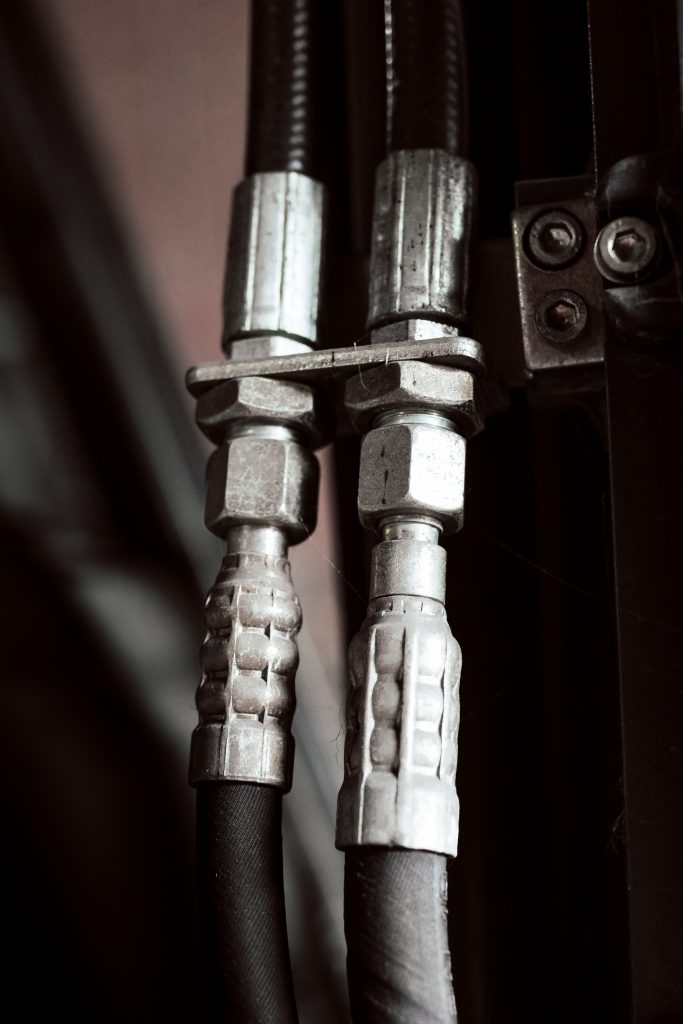
For each use of hydraulics, there is a specific hydraulic hose that is suitable for the job. Being informed of hydraulic hose specifications will be important for understanding your hydraulic hose. Making sure of the hydraulic hose specifications is critical for optimal performance and preventing damaging or injurious failures. While all hoses have finite and expected lifespans, many factors contribute to the longevity of your hose. By understanding factors that contribute to hose lifespans and failures, you can make informed decisions regarding the type of hose required for your given situation.

Hose Construction

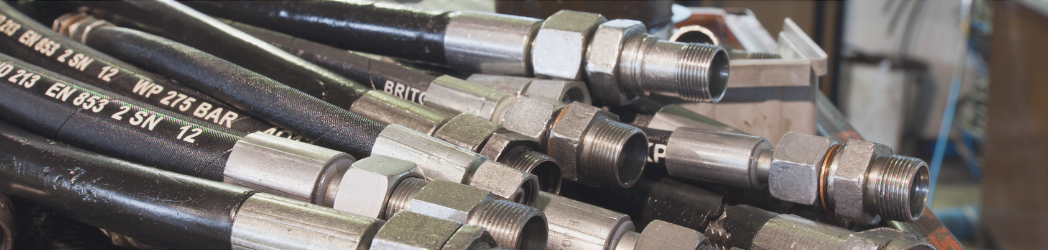
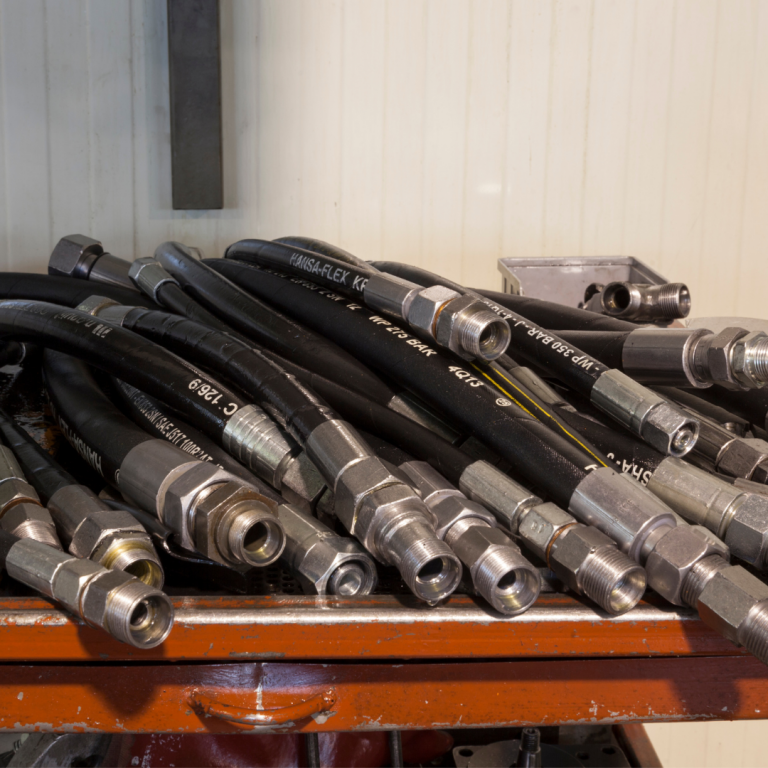
Hydraulic hoses can be constructed out of a variety of different materials. Including composites, elastomers, metals, polymers, silicone, and thermoplastics, just to name a few. The materials that are used for a specific hose will determine the situations in which the hose is meant to be used and even the type of hydraulic fluid that flows through it. Each hose is made of three layers: the inner tubing, wire reinforcement, and exterior shell.

Inner Tubing

The inner tubing of hydraulic hoses is often constructed of plastic or rubber. This is the part of the hose that comes into contact with the fluid and so it must be made out of the right material for the fluid type. For example, some fluids may break down the rubber material, and so the host must be made out of plastic. Having the right material for your inner tubing helps prevent hose failure and damage throughout the rest of the hydraulic system.

Wire Reinforcement

Wire reinforcement layers can be made of metal, plastic, or textile depending on the flexibility and strength required. There may be multiple reinforcing layers between the inner and outer layers of a hydraulic hose depending on its durability rating. Two styles of wire reinforcement additionally improve the flexibility or strength. Wire braid will offer more flexibility at the cost of some strength, while wire spiral offers increased strength at the cost of some flexibility.

The wire reinforcement is used to counteract bother the internal and external pressure. The internal pressure is the main force the reinforcement acts against, as the highly pressurized hydraulic fluid presses against the walls of the inner tube. The external pressure is less of an issue but can come into play in some other specific situations.

Exterior Shell

The exterior shell acts as a protector for the inner tube and wire reinforcement from the environment. Environmental dangers could come in the form of abrasion, wear, temperature, and even sunlight. The exterior shell is typically made from rubber, plastic, metal, or textile. The exact material chosen will depend on where and how your hose will be used. If the hose is going to be somewhere with more extreme environmental dangers, then it should be made of a more robust material.

Hydraulic Hose Specifications

Diameter and Length

How the fluid within the hose behaves depends on the hose diameter and length. The inner diameter is the diameter within the inner tubing where the liquid flows. Pressure drops and increased internal temperatures caused by friction with the tube walls are due to the diameter being too small. If it is too large, it can lead to suboptimal system performance due to the flow. Common inner diameter sizes range from 3/16in. to 25. in.

The outer diameter of the hose is composed of the three-layer structure of the hose as well as the inner diameter. By measuring the difference between the inner and outer diameters, you will get the thickness of the hose wall. This diameter is important to remember for the connection points.

For the hydraulic system, the hose length is much more important than you may have realized. The longer the hose is, the more potential there is for pressure drops. Just as with the inner diameters that are too small, this is because there is more contact between the fluid and interior walls which will create friction. For this reason, it is critical that the hose is the correct length for the location where it is being used.

Operating Conditions

Hydraulic hoses must be able to withstand various conditions within which they are expected to operate. Your hydraulic hoses may be used in environments that require increased water resistance and abrasion, flexibility, temperature resistance, and/or pressure resistance. Making sure that you understand hydraulic hose specifications, will make it easier to know what environments will not be ideal for the hydraulic hose, and how to correct it.

Abrasion and Wear Resistance

Abrasion and wear are the number one cause of hydraulic hose failure. This damage is caused when hoses rub against each other or other objects within the system. Even if you don’t think the hoses will rub against other objects, the small amount of vibration from the fluid flowing can cause wear over time. For this reason, it’s important to think about how abrasion will come into play when routing houses and try to avoid high-abrasion contact.

Pressure Resistance

While external pressure on hoses typically is not an issue outside of specific environments, all hydraulic hoses must be able to withstand their internal pressures. Every hose will have a maximum pressure rating printed on it. This rating should never be exceeded, even with pressure spikes. Exceeding the pressure rating could lead to your hose bursting which may cause injury, damage, and downtime.

Temperature Resistance

Hydraulic hoses have both pressure ratings and temperature range ratings. If a hose is used in conditions that are too hot for it, it could lead to materials breaking down or even melting. If the temperatures are too cold for the hose, then it could become rigid which will lead to it cracking. You should be considering both the temperature inside and outside of the hose as they both play a major role in the overall temperature.

The temperature of the fluid within the hose can be hundreds of degrees Celsius depending on the hydraulic system and fluids being used. If the internal structure of the hose cannot withstand this, it will fail. These temperatures are generated by friction between the fluid and the interior walls of the hose. The higher the pressure and flow rate, the higher the fluid temperature will be.

Safety Qualities

Lastly, some specialist hoses come with specific safety qualities that make them ideal for potentially dangerous situations. Static-resistant hoses are made of conductive or semi-conductive materials that can dissipate build-up static electricity. This helps prevent electrical fires from starting. Flame-resistant hoses are a bit different in that they do not prevent fires, but rather prevent fires from getting worse. These hoses can remain intact even with flames occurring, which prevents them from bursting and fueling the fire with hot hydraulic fluid

All Phase Hydraulics

Here at All Phase Hydraulics, we understand the importance of preventative maintenance, especially when it comes to your hydraulic hoses. Since hoses are the most vulnerable part of any hydraulic system, they will need to be checked regularly for signs of damage and wear. Contact us today if your hydraulic system needs inspection, maintenance, or repairs. Our expert technicians will keep your hydraulics in peak condition.

Do need assistance with your Hydraulic needs? Does Your Hydraulic Hose Need an Inspection, Maintenance, or Repair? Learn More About Our Services and How We Can Help! 

Types of Hydraulic Jacks & Their Uses

Types of Hydraulic Jacks & Their Uses

A hydraulic jack is a mechanical device used to lift a heavy weight by applying force through a hydraulic cylinder. Hydraulic jacks are used when the application calls for lifting heavy loads with precision and efficiency, making them indispensable in various industries such as automotive repair and construction. There are two types of hydraulic jacks- trolley hydraulic jacks and bottle hydraulic jacks. Both of these jacks perform the same function but have differences in their functioning and construction.

Pascal’s law is applied to calculate the force of a hydraulic jack. Two pistons inside a cylinder that mainly work for lifting heavy weights are what hydraulic jacks consist of. The bigger cylinder and the small cylinder are connected. The small piston will force the fluid to lift the big piston. The two ball valves work like a check valve that allows flow and stops while pumping.

Pressure = Force X Area

When a bar is inserted into the handle socket and a pumping motion is enforced, the hydraulic fluid is forced by the piston and will go through a one-way valve, and then the fluid force acting on the bottom of the bigger cylinder and the ram will go upwards. The other valve is blocked, so pressurized fluid can’t go back until it is unscrewed. This is how the hydraulic jack works.

Components of Hydraulic Jacks

  • A Reservoir
  • Pumps
  • Cylinder
  • Piston
  • Check Valves or Ball Valves
  • Release Valve

Power Source of Hydraulic Jacks

  • Hand Power
  • Air (Compressed)
  • Electric
  • Gas

Common Applications of Hydraulic Jacks

  • Lifting Industrial Heavy Loads
  • Lifting the Car and Vehicles for Clamping
  • Lifting or Clamping of Machinery Equipment’s

Types of Hydraulic Jacks

  • Hydraulic Jack (Bottle Jack and Floor Jack) *Most Commonly Used
  • Scissor Jack
  • Hi-Lift Jack
  • Motorcycle Jack
  • Trolley Jack
Types of Hydraulic Jacks

Floor Jack

Types of Hydraulic Jacks

Scissor Jack

Types of Hydraulic Jacks

Bottle Jack

Bottle Jack

The name bottle jack comes from the appearance of it looking like a milk bottle. It raises weight with a vertical shaft that is pumped by a hand lever. Bottle jacks are commonly used in the automobile industry for lifting cars. It is secured by a frame and simply used as a free-standing piece of equipment to allow for repositioning. One of the main advantages of a bottle jack is that it can fit in small and compact places.

Floor Jack

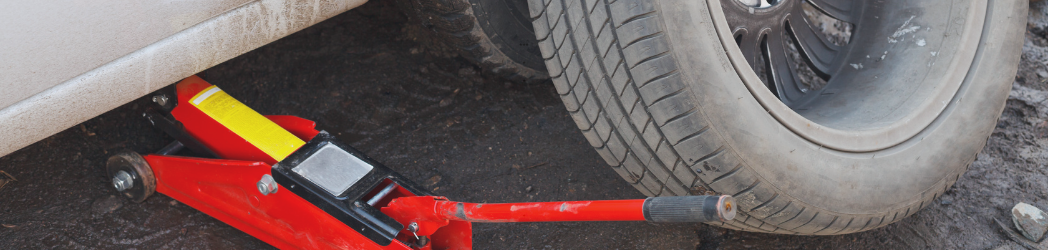
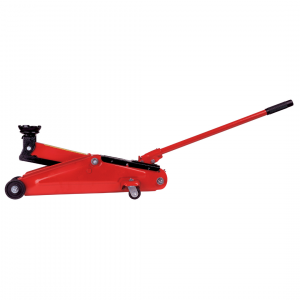
The floor jack shaft is operated horizontally. When the handle is pushed down, the jack lifts the object upward. There are two types of floor jacks: one of them is a mechanical floor jack, and the other is a hydraulic floor jack. The main advantage of a floor jack is that it can sit low to the ground and operate speedily.

Mechanical Floor Jack: this type of floor jack is developed with a screwing mechanism. The screw mechanism is used to lift the weight.

Hydraulic Floor Jack: This type is developed with check valves, cylinders, and pistons, which help lift the weight.

Scissor Jack

Scissor jacks are smaller in size and easy to store. Turning the lead screw helps lift the weight. You can tighten the lead screw with a small crank to draw the linkages together. It is most commonly used to aid in changing tires for cars and vehicles. Scissor jacks tend to operate relatively slowly and are somewhat lightweight, making them less desirable to use on heavy-duty vehicles.

Hi-Lift Jack

Hi-Lift Jacks are commonly used for farming vehicles rather than cars or trucks. Hi-Life Jacks were designed by Bloomfield Manufacturing Company 100+ years back. Two climbing pins work alternatively into the Hi-Jack lift; one pin will hold the load, and the other is freed and moved to the next hole while lifting. This type of jack is dangerous if you don’t know how to correctly use- please advise a professional before using it.

Motorcycle Jack

Just as the name mentions, this type of jack is used to lift motorcycles for cleaning and modifications. It was developed for lifting motorcycles safely and also tends to be used for lifting ATV 4-wheel style vehicles as well.

Trolley Jack

The Trolley Jack was developed to lift a vehicle to be able to work under it for repair or regular maintenance. It is usually designed to lift vehicles and hold them in a safe position for a short period. The wheels of a trolley jack make slight movements to make up for the shift in the car during weight distribution.

Hydraulic jacks have many different uses and can be used in many different ways- whether it’s changing a tire, lifting your vehicles to look underneath for repairs or maintenance, or even lifting a piece of heavy equipment for repairs. A hydraulic jack allows the user to exert a large amount of force and power through a small and simple movement, making your next mechanical project just a whole lot easier.

All Phase Hydraulics is proud to carry American Forge & Foundry hydraulic jacks for our customers. AFF is proven to be durable, reliable, and affordable, all while getting the job done efficiently. Check out our line of American Forge Jacks that we offer. 

If you’re looking for assistance on which Hydraulic Jack is right for your specific application- feel free to Contact Us today!

Repair, Replace, or Rebuild Your Hydraulic Equipment?

rebuild or replace hydraulic equipment

Repair, Replace, or Rebuild Your Hydraulic Equipment?

When your hydraulic equipment fails, there is no time to waste when trying to get it back up and running. You have the option to either repair, replace, or rebuild your equipment- but which do you choose? It is becoming more and more popular to rebuild hydraulic equipment rather than purchasing new equipment or having existing equipment repaired. Let’s dive into the reasons behind what a rebuild is and why rebuilds are the more popular choice so that when you’re faced with hydraulic equipment failure, you can make an informed decision.

What is an Equipment Rebuild?

The definition of a rebuild can vary from shop to shop, but typically, an equipment rebuild is a piece of equipment that has been previously used and reconditioned for further use. Not only can expert rebuilders restore a piece of equipment to OEM specifications, but they can also exceed the quality of a brand-new machine. A rebuild is different than a repair because a repair’s primary focus is on fixing the individual parts involved in failure. It is also different from purchasing used equipment, which usually has not been refurbished or reconditioned.

To properly rebuild equipment, it will be completely dissembled so that each piece can be thoroughly inspected. The parts should be evaluated for damage, wear, and effect on the overall longevity of the component. The replacement and reconditioning of parts are performed as needed, the component is then reassembled and undergoes thorough quality and performance testing.

Rebuilding Hydraulic Equipment is Less Expensive

The overall popularity of rebuilding hydraulic equipment is due to the lower cost that comes with it. A rebuild typically costs about half the price of a new piece of equipment, and this typically includes hydraulic motors and pumps. While you think repairs might be initially cheaper, it will only be a matter of time before the equipment fails and more repairs will be needed.

In the long run, rebuilds typically end up being cheaper than repairs and are less expensive than purchasing new replacement parts.

Rebuild Your Hydraulic Equipment

Hydraulic Rebuilds are High Quality

Even though rebuilt equipment has been used previously, it represents exceptional value. When your equipment is rebuilt by an expert, it goes through a rigorous process that includes the replacement of seals and bearings, evaluation of individual parts for their remaining life expectancy, replacing those parts that are irreparably damaged, and restoring parts that can be refurbished.

The result that comes from this process is a hydraulic pump or hydraulic motor that is like new and considerably better than new. It has the potential lifespan of 75% of a brand-new motor or pump, but at about half the price- and who doesn’t love that?!

Considerably Shorter Lead Times for Hydraulic Rebuilds

When choosing to rebuild your hydraulic equipment rather than purchasing new equipment is usually because time is of the essence. A certified rebuild typically involves a much shorter lead time because there is significant time that is spent waiting for replacement parts to possibly be manufactured THEN delivered. The longer you wait for those replacement parts, the longer your machine is down, which creates production cost issues and downtime for employees.

When all these hiccups are taken into consideration, rebuilds are often considered the most economical option. A rebuilt piece of equipment, such as a cylinder or motor, can be refurbished quickly, minimizing your downtime of equipment and staff involved.

Here at All Phase Hydraulics, we will offer you a solid hydraulic rebuild that provides your equipment with the quality and increased lifespan that you need at a price that you can afford. We pride ourselves in performing your rebuilds quickly so that your company can get back to business.

If You Are Looking for Hydraulic Equipment Rebuilds or Repairs, Contact Us Today For A Free Quote!

What are Pneumatic Systems & Applications

What are Pnuematics?

Imagine a world where air becomes a mighty force that brings life to our machines and tools. That’s exactly what pneumatics is all about! In simple terms, pneumatics harnesses the power of compressed air or gas pressure to make things move and work. It’s like having a magic breath that brings life to everyday objects. This incredible technology finds its way into numerous industries, from engineering and manufacturing to construction and beyond. Pneumatics is the invisible hero that helps us build, create, and achieve remarkable feats with its invisible yet mighty touch. Let’s dive into the captivating realm of pneumatic systems and explore their fascinating applications!

How Do Pneumatics Work?

Pneumatic systems rely on the simplicity and reliability of clean, dry air to work. It all starts with an air compressor, which does the marvelous task of compressing the air, squeezing it into a smaller space, and increasing its pressure. The compressed air then enters a filter, ensuring that any impurities are removed, keeping the system running smoothly. From there, the air flows into pneumatic tubing, guided and controlled by valves that act as the conductors of this air-powered symphony. Finally, the air reaches the actuator, which is like the star performer of the show. This could be a cylinder, a device that moves back and forth, or a mechanism that carries out specific functions, such as lifting, moving, or gripping. The beauty of pneumatics lies in its simplicity and versatility, offering a powerful yet flexible way to bring motion and functionality to a wide range of applications.

How Do I Choose a Pneumatic System?

Pneumatic Systems can be used as an alternative to electric actuators and motors by driving linear and rotary motion applications. Pneumatic Systems differ from Hydraulic Systems as they use smaller loads and produce less force. Also, since air is easy to compress, pneumatics can absorb excessive shock.

As the manufacturing industry continues to make advances, and with developments in seals like corrosion resistance, the conditions in which pneumatics systems can be used have continued to increase. Pneumatics are such a versatile way to power tools and machinery, which keeps them an important technology in several of all industries.

When selecting a pneumatic system, consider what you require in terms of your operating sequence. They work in a linear and rotary motion and are a simple way to activate an output motion or apply a force. You also should consider the pressure and flow requirements for the best possible performance.

Flow and pressure are different and should be controlled separately. The regulation of pressure in compressed air systems does not accurately control the flow, which could lead to an increase in energy costs. Whereas pressure is a force applied across a given area, the flow is the actual volume of compressed air being moved in a given time. Greater pressure over a small area can be the same as lower pressure over a larger area. Flow control works by restricting the orifice through which air can flow- as it closes, less air can flow at a given pressure in a given time.

Maintaining pneumatics and pneumatic systems is generally a low cost, but care should be taken to monitor leaks and corrosion. Also, applying a filtration system and monitoring the air supply will ensure your equipment performs how it should.

What are Pneumatic Systems

Pneumatic Applications in Everyday Life

Pneumatics are prevalent in commercial vehicles, the energy sector, including oil and gas and power generation industries, and food and beverage, from blow molding bottles to process automation and packaging. They are also used across the manufacturing industry to power factory automation systems and are typically seen in sectors like materials handling and packaging. Some other examples are:

Transportations

  • Air Brakes for Trains or Busses
  • Air Engine
  • Compressed Air-Powered Vehicles

Healthcare

  • Dental Drills
  • Vacuum Pumps
  • Pressure Regulators
  • Barostat Systems
  • Pneumatic Bladder

Construction

  • Pneumatic Jackhammers
  • Nail Guns
  • Pneumatic Cylinders

Home Systems

  • Heating and Air Conditioning Control
  • Vaccum Cleaners
  • Spray Cans

Music

  • Pipe Organs
  • Player Pianos

LEGO's

  • You can even find pneumatics in certain LEGO education sets 
Pneumatic components

Understanding Pneumatics and Pneumatic Systems is an important part of pertaining businesses and sectors. If you are looking for pneumatics or hydraulics, All Phase is here to help you out! Our dedicated and well-trained staff will learn about your needs and application desires to help pick out the right equipment for you!

Contact Us Today To See If We Can Help You Out!

Why Choose A Custom Hydraulic Cylinder?

Custom Hydraulic Cylinder

Why Choose A Custom Hydraulic Cylinder

Custom Hydraulic Cylinders for Any Project!

Choosing the right hydraulic cylinder for your equipment is a common occurrence for many. It is extremely important to match your equipment with the most suitable cylinder. Even though some machinery can utilize standard or off-the-shelf equipment, others cannot. For equipment that cannot run efficiently with off-the-shelf options, you will need to look into custom hydraulic cylinders.

Custom Hydraulic Cylinders

The basic hydraulic cylinder consists of these parts:
• Barrel
• Bottom & bottom connection
• Head
• Piston and Piston Rod connection

With custom hydraulic cylinder manufacturing, the engineer and customer will work together to produce a version with precise specifications. The customization process allows you to change length, diameter, and even materials. You can also alter the construction and/or design of the pistons, valves, and valve manifolds. Lastly, you can customize the port position mountings and even integrate functions.

custom hydraulic cylinder

Why Custom Hydraulic Cylinder?

Built With Your Requirements

With the customization process, you will receive a hydraulic cylinder that addresses your unique needs and concerns. The selected engineers will collaborate closely with your company to ensure the result will meet the explicit needs of your equipment and job. When you choose to customize your equipment rather than use standard products, you can install a product that is specific to your machinery. There will be no over or under-engineering resulting from a need to compromise. Your company can avoid many problems that can arise from trying to force a standard hydraulic cylinder to work in a custom-made machine.

Options to Consider

Most of the off-shelf cylinders available are tie-rod cylinders. They tend to be bulkier, have limitations for the installation process, and tend to require additional service and maintenance than custom hydraulic cylinders.

There are other options for additional lift or push capacity, even with larger rods. The customized designs of your choosing will be simple and efficient and offer you the option to choose the type of return, which is also an essential choice in getting the ideal cylinder for the job.

Difference between standard and custom hydraulic cylinders

Cost

As you might expect, the costs that are associated with designing, fabricating, and producing a properly functioning custom hydraulic cylinder can be higher than your standard option. If the stock options are truly not what you are looking for, any upfront costs for a custom hydraulic cylinder would be a minimal cost compared to repairing any damage caused by faulty equipment.

Availability

While there are many pros to custom designing your hydraulic cylinder, one of the cons is time. If your equipment is at a standstill, a custom hydraulic cylinder needs time to be designed, prototyped, and manufactured before it can help your equipment get back up and running. If there is a stock hydraulic cylinder that happens to fit your equipment perfectly, you can be up and running in no time.

We hope this information was useful for you to help you decide which route you should go for your hydraulic cylinder needs. The custom hydraulic cylinder has many pros, including being built exactly to your specifications and having options for customization. While going the standard route is more cost effective, you might find that some of your needs are being met with the equipment, such as size, while some other needs are unmet, like the pressure, rod material, etc.

Check Out Our Custom Hydraulic Cylinder Capabilities