

Key Steps For A Reliable Hydraulic Cylinder Inspection
Embark on a journey with us as we uncover the essentials of hydraulic cylinder repair services. Whether you’re troubleshooting issues or aiming for proactive maintenance, this guide is your go-to for insights into optimizing performance and extending the lifespan of your hydraulic systems. Let’s dive into the world of hydraulic cylinder repair, where every service is a key to unlocking efficiency and reliability.
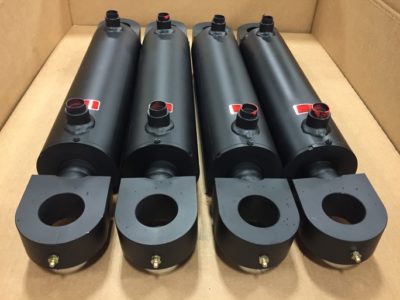
Hydraulic Cylinder Inspections
What Does a Hydraulic Cylinder Inspection Consist Of?
Visual Examination
The inspection begins with a visual assessment of the hydraulic cylinder. Technicians look for visible signs of damage, wear, or corrosion on the external surfaces. This step helps identify issues that may require further investigation.
Seal Integrity Check
Seals play a critical role in preventing leaks and ensuring the efficient operation of hydraulic cylinders. Inspectors examine the seals for signs of wear, damage, or degradation. Any issues with the seals are noted for further action.
Internal Component Inspection
Depending on the type of hydraulic cylinder, technicians may disassemble the cylinder to inspect internal components. This includes examining the piston, rod, and other internal parts for wear, scoring, or other abnormalities.
Fluid Analysis
Hydraulic fluid is analyzed for contamination, degradation, and proper levels. Fluid samples may be taken to assess the cleanliness and quality of the hydraulic fluid, as contamination can lead to performance issues and component damage.
Alignment Check
Proper alignment is essential for the optimal functioning of hydraulic cylinders. Technicians check for any misalignment or uneven wear that could affect the performance of the cylinder.
Functional Testing
After reassembly, functional tests are conducted to ensure that the hydraulic cylinder operates as intended. This may involve testing the cylinder under load to simulate real-world operating conditions.
Benefits of Having Cylinders Inspected: Safeguarding Performance and Longevity
Early Issue Detection
Hydraulic cylinder inspections allow for the early detection of potential problems. Identifying issues in their early stages enables timely intervention, preventing more extensive damage and costly repairs.
Preventive Maintenance
Regular inspections form the basis of a preventive maintenance strategy. Addressing minor issues before they escalate helps extend the lifespan of hydraulic cylinders and reduces the risk of unexpected failures.
Optimized Performance
Inspections contribute to the optimized performance of hydraulic cylinders. By addressing issues such as misalignment, seal leaks, or fluid contamination, the overall efficiency of the hydraulic system is enhanced.
Cost Savings
Investing in routine inspections is a cost-effective approach. The cost of preventive maintenance and timely repairs is typically lower than the expenses associated with extensive repairs or replacements resulting from neglected issues.
Increased Safety
Well-maintained hydraulic cylinders contribute to a safer working environment. Regular inspections help identify and rectify potential safety hazards, reducing the risk of accidents and injuries.