


4 Ways To Tell It’s Time To Repair Your Hydraulic Hose
Hydraulic hoses are everywhere; they are a part of so many important applications, including construction equipment, recycling equipment, auto repair shops, and SO much more. Hydraulic machinery is so important in life today, and one major part of what makes hydraulics work is the hydraulic hose. Let’s discuss what a hydraulic hose is, what it does, and when it’s time to repair your hydraulic hose.
In the Grand Rapids, Michigan area, All Phase Hydraulics is your go-to for comprehensive hydraulic solutions. We specialize in providing hydraulic hoses and fittings, as well as repair and maintenance services.
Hydraulic Hoses, Fittings, and Repair in Grand Rapids MI!
What Is A Hydraulic Hose?
A hydraulic hose transfers hydraulic fluid to various areas, parts, and components of the machine. Hydraulic hoses need to be made from a durable yet pliable material – generally, hoses are constructed with synthetic rubber, thermoplastic, or Teflon. These materials are strong, yet movable and adaptable. Commonly, hydraulic hoses will also have a strong braided textile or fabric covering to reinforce them as it operates. It’s such a crucial piece of your equipment, and reinforcement is necessary so that your equipment and machinery can run as long as possible.
When to Repair your Hydraulic Hose
If you own any hydraulic machinery, chances are you’ve wondered how long the system will last and how to tell if you need to replace or repair your hydraulic hose. The truth is, there is no good answer for how long a hydraulic hose will last; the lifetime of the hose is dependent on multiple different variables, including how you’re using your machinery, what environment it’s in, and other things such as temperature and humidity. Since there is no concrete answer for how long your hoses will last, the next best thing is recognizing the signs that you need to get your hoses replaced. When you notice signs that your hydraulic hose needs to be replaced or repaired, you can account for that maintenance in your schedule so that you are not left in a poor position with excessive downtime.
Take A Look At The Shelf Life
According to the Society of Automotive Engineers, the shelf life of any bulk rubber hose is ten years from the time it was manufactured. The manufactured date is on the lay-line of the hose, so be sure to check it and write it down in your records. Keep in mind that this date does not account for any wearing variables such as temperature, application, sunlight, and more – but this date might give you a better idea of how long your hose has.
Don’t Ignore Leaks
If you see any leakage, be sure to stop and take a look at your machine; leakage obviously has a source and can be a sign of some sort of break, crack, or improper installation or use. Leaks will lead to hydraulic failure if not addressed, so if you do notice any leaks of any kind, be sure to look closer – it’s likely time to replace your hydraulic hose.
Keep An Eye Out For Kinks and Cracks
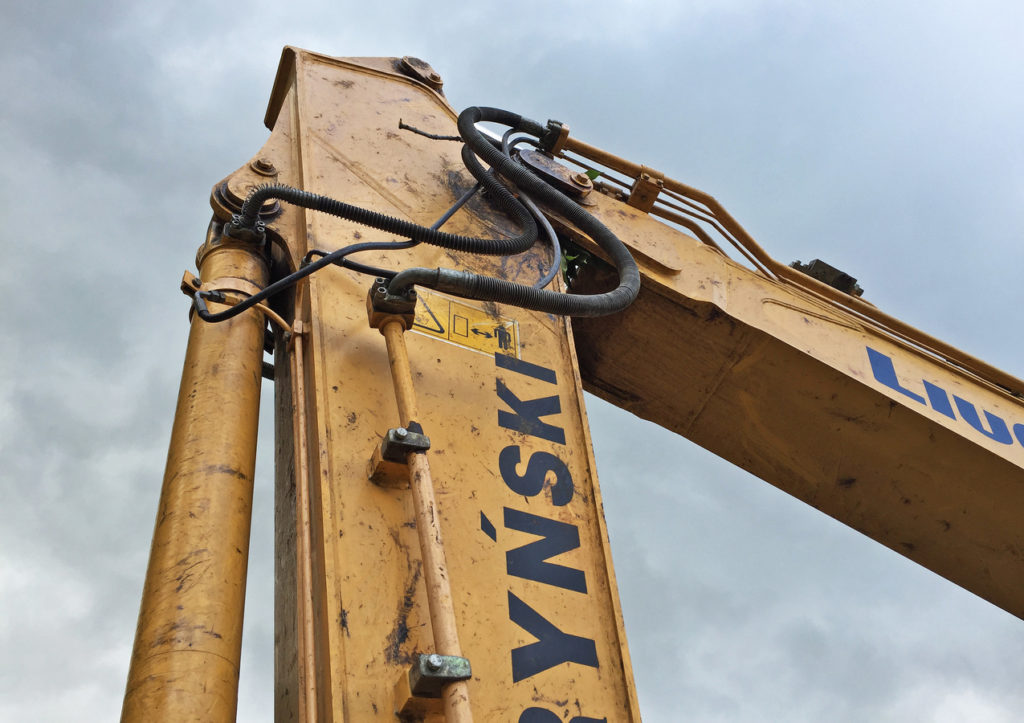
Staying on a preventive maintenance schedule will help you keep your machinery in great condition and also allow you to look for any kinks and cracks. Any sort of abrasion, kink, or crack is a good sign that your hose is beginning to wear down. It is 100 times better to replace your hose BEFORE failure by watching for signs of serious wear and tear.
Be Aware Of Rust & Buildup
Rust and different buildup on your hose can be an indication that it is time to look into replacing your hoses. The general rule is that red/orange rust is alarming, and there is a need for inspection or replacement. White residue or buildup is OK and is not a cause for concern. If you do have excessive white buildup, we would still encourage you to stick with your preventive maintenance schedule and have someone look into it to be sure that your machinery is in tip-top shape.
In many cases, when it’s time to replace or repair your hydraulic hose, there will be signs, so be sure to educate yourself and your staff on preventive maintenance and why it is so important to your machinery. When you have a rigorous and disciplined schedule for preventive maintenance, it becomes easier to spot the trouble signs, and it becomes easier to tell when it’s time to replace or repair your hydraulic hose. If you want to learn more about the top ten reasons hydraulic hoses fail and how to prevent them, check out our blog here! If you are looking for a reliable source for your hydraulic hoses and fittings, be sure to contact us today. Our staff is happy to help you find what you need!